Organizing Monthly Expenses More Clearly With A Bill Payment App
A bill payment app can help users manage recurring expenses such as utilities, mobile bills, broadband, and other eligible payments from one digital interface. A quick loan app may also provide access to borrowing-related features, but routine bill management and borrowing should be treated as separate financial decisions. Regular expenses should ideally be planned through monthly cash flow rather than financed repeatedly through credit.
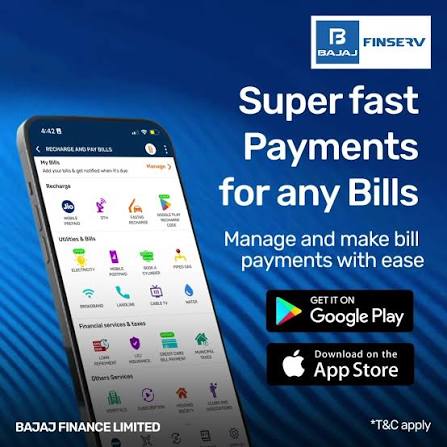
The main benefit of a digital bill-payment process is visibility. When users can see upcoming payments, completed transactions, and due dates in one place, it becomes easier to organize monthly expenses and reduce the risk of missed bills.
Build A Monthly Payment Calendar
Recurring bills often fall on different dates.
Users may need to manage:
- Electricity
- Mobile
- Internet
- Gas
- Insurance
- Other household payments
A payment calendar can help organize these obligations.
Instead of reacting to each bill individually, users can see how much money may be required across the month.
Match Due Dates With Income Timing
A bill may be affordable overall but still create short-term pressure if several payments fall before salary or other income is received.
Users can review:
- Salary credit date
- Major bill dates
- EMI dates
- Rent or housing payments
This can help identify periods when cash flow may be tighter.
Better timing awareness can reduce dependence on short-term borrowing.
Keep Essential And Discretionary Expenses Separate
Not every recurring payment has the same priority.
Essential expenses may include:
- Utilities
- Communication
- Insurance
- Housing-related payments
Discretionary subscriptions or services can be reviewed separately.
This helps users identify which payments must be protected during a tight month and which can potentially be reduced.
Use Payment History To Understand Spending
Digital payment records can reveal patterns that are easy to miss when bills are paid through several different methods.
Users may review:
- Monthly utility costs
- Subscription payments
- Changes in bill amounts
- Repeated charges
This can help identify expenses that are gradually increasing.
A payment history is most useful when it becomes part of a broader budget review.
Avoid Paying Bills With New Debt Repeatedly
Using credit occasionally during an emergency is different from borrowing every month to pay routine expenses.
If regular bills repeatedly require new loans, the underlying issue may be:
- Expenses exceeding income
- Too many subscriptions
- High existing debt
- Insufficient savings
Adding more credit can delay the problem while increasing future repayment obligations.
A budget review may be more useful than another loan.
Set Aside Money Before Bills Are Due
Instead of waiting until the due date, users can allocate part of their income toward bills as soon as it is received.
This may involve keeping a separate amount for:
- Utilities
- Rent
- Insurance
- EMIs
- Other fixed expenses
This reduces the risk of spending money that will be needed later in the month.
Confirm Transaction Status
A payment initiation does not always mean the bill has been successfully completed.
Users should check whether the transaction is:
- Successful
- Pending
- Failed
This is especially important close to the due date.
A pending transaction may require monitoring before another payment attempt is made.
Avoid Duplicate Payments
If a payment appears delayed, users may be tempted to pay again immediately.
This can sometimes result in duplicate transactions.
Before retrying, users should check:
- Payment status
- Transaction history
- Applicable biller confirmation
A little verification can prevent unnecessary payment disputes.
Keep Digital Records
Digital payment confirmations can help users maintain a clearer financial history.
Useful records may include:
- Payment date
- Amount
- Biller
- Transaction reference
- Status
These records can be useful when resolving a dispute or reviewing household expenses.
Review Recurring Subscriptions
A bill-payment review can also reveal services that are no longer being used.
Users may find:
- Streaming subscriptions
- Memberships
- Digital services
- Other recurring charges
Small monthly payments can add up over time.
Cancelling unnecessary services can improve monthly cash flow without requiring major lifestyle changes.
Protect Login And Payment Information
A bill payment app may contain sensitive financial information.
Users should protect:
- Passwords
- OTPs
- Bank details
- Device access
Payments should be completed through verified channels.
Unknown links requesting payment credentials should be treated carefully.
Keep Emergency Savings Outside The Bill Budget
Routine bills should ideally be covered from regular income.
Emergency savings should remain available for unexpected needs such as:
- Medical expenses
- Repairs
- Temporary income loss
Using emergency funds for ordinary bills every month may indicate that the budget needs adjustment.
The reserve should remain separate where possible.
Review Bill Categories Every Few Months
Household expenses can change over time.
Users may periodically review:
- Electricity usage
- Mobile plans
- Internet plans
- Insurance payments
- Subscriptions
This can identify opportunities to reduce recurring costs.
The goal is not only to pay bills on time but also to understand whether the underlying expenses remain reasonable.
Keep Borrowing Decisions Separate From Payment Convenience
Digital apps can make both payments and borrowing easier to access.
That convenience should not blur the difference between the two.
A Personal Loan App may help users access personal borrowing options, but loans should be considered for clearly defined financial needs rather than as a routine way to cover recurring monthly bills.
Conclusion
A bill payment app can help users organize recurring expenses, track due dates, maintain digital records, and improve monthly cash-flow visibility.
The most effective approach is to treat bill payment as part of regular budgeting. Users can allocate money in advance, monitor transaction status, review recurring charges, and keep emergency savings separate from routine expenses.
Digital payment tools can simplify monthly money management, but long-term financial stability still depends on keeping regular expenses within sustainable income rather than relying repeatedly on new borrowing.